Underpinning Inspection NYC: Legal and Engineering Guide

Updated: 7 days ago
Every NYC foundation project involving underpinning requires a licensed special inspector to check structural stability before work proceeds. One mistake during digging can cause a nearby wall to crack, leading to a site-wide shutdown and costly fines.
The underpinning inspection NYC process is a required safety protocol that verifies the strength of a building foundation whenever new digging or excavation work occurs near the site. These high-risk special inspections are legally required to prevent structural damage and major safety risks according to the NYC Department of Buildings project guidelines and rules. AKS Architectural and Engineering Services LLP performs these detailed technical checks through EZTR1.com to ensure that all existing building foundation supports stay level and secure during the work. Failing to file the proper TR1 forms leads to large fines and project work stops, so building owners must hire a trained firm to stay safe and legal.
Contractors must know the technical needs and legal steps before they start to dig. The right inspection partner makes the process much faster for the whole team. To help you prepare for your next project, we will look at What Is Foundation Underpinning and Why Is It Used? The path begins with understanding the basics of the construction methods and engineering requirements used.
What Is Foundation Underpinning and Why Is It Used?
Foundation underpinning is a way to make a building base stronger or deeper. It involves adding new support under the base of a structure. This work is often needed when the ground can no longer hold the weight of the building or when you want to add a basement. In New York City, this task is common because buildings sit very close to each other. AKS Architectural and Engineering Services LLP, operating as EZTR1, helps owners follow underpinning inspection requirements to keep projects on track.
How underpinning supports a building
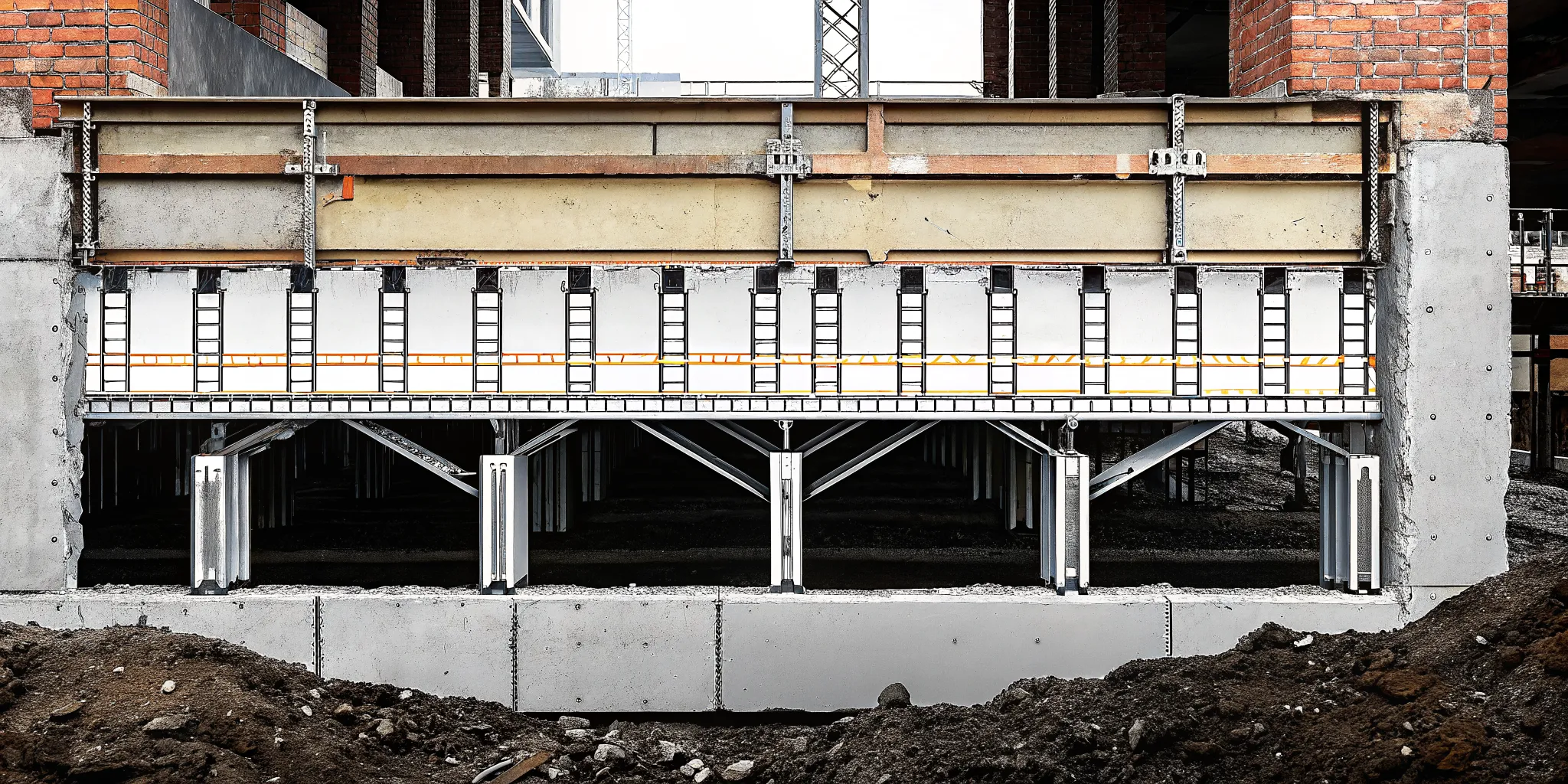
The process works by placing new piles or piers deep into the soil. This transfers the building load to a strong layer of earth or rock. It prevents the structure from sinking or tilting over time. This high-risk work needs a close watch to avoid cracks or failure. Under the NYC Construction Codes, special inspections are mandatory to ensure the safety of the work and the people nearby.
Most crews use a step-by-step method to set up the new supports. They dig small parts at a time so the building does not lose its balance. This careful plan helps protect the main structure while the new base is built. Choosing a NYC special inspection agency ensures that every step follows the approved design and city rules.
Common uses in NYC construction
One of the main reasons for underpinning in the city is to protect buildings next door. When a new project digs a deep hole, it can make the soil under an old building shift or slide. Underpinning keeps the old building steady during the new work. This is vital in tight spots like Manhattan or Brooklyn where lot lines are shared. If you do not follow the right steps, the city may issue stop-work orders or fines.
Owners also use this method to fix old foundations that have settled. Soil can change over years, causing floors to slant or walls to crack. Adding new depth to the base can stop these issues and save the structure. Since July 2025, the DOB now requires a full review for all underpinning plans, as they are no longer eligible for professional certification. This change means you must have clear plans and inspections ready before you start.
Underpinning Inspection NYC Requirements and Regulations
The NYC Department of Buildings (DOB) views underpinning as high-risk work. Because it can affect the safety of nearby buildings, the city sets strict rules for how you must do it. To stay legal, you must follow NYC Construction Codes that require special inspections for foundation changes. These rules help keep both your site and the buildings next to it safe.
NYC DOB special inspection rules
In New York City, a registered NYC special inspection agency services must watch the work. The 2014 Building Code sets the standard for how these site visits should work. Even if your building uses an older code for its design, you must still use the 2014 Code for safety steps. This means you need a licensed expert on-site to check that the work matches the approved plans.
As of July 1, 2025, the DOB has made the rules even tougher. Now, you cannot use professional certification for underpinning or support of excavation plans. Every filing must go through a full DOB review before work can start. This change shows how the city focus on underpinning inspection requirements has grown to keep the public safe during deep soil work.
Foundation types and age
The rules you follow often depend on the age of the structure. Engineers must find the age of a building to know which code to use. Buildings under 50 years old are seen as modern foundations. Buildings between 50 and 150 years old are recent, while any structure over 150 years old is ancient. Each group has different risks that your inspector must check during the job.
Building Group | Age Range | Inspection Focus |
Modern Foundations | Under 50 years | Steel and concrete bond. |
Recent Structures | 50 to 150 years | Brick and mortar decay. |
Ancient Structures | Over 150 years | Stone and soil stability. |
Hazard Zones | Any age | Flood plain safety. |
Risk of non-compliance
If you fail to get the right underpinning inspection NYC done, the costs are high. The DOB can issue a stop-work order if they do not see a special inspector on the job. This leads to big fines and can stop your project for weeks or months. Our team at AKS Architectural and Engineering Services LLP helps you avoid these delays. EZTR1 keeps your project in line with city laws.
Who Can Perform an Underpinning Special Inspection?
In New York City, not just anyone can sign off on structural work. The law sets strict rules for an underpinning inspection NYC. You must hire a firm that the city knows and trusts. These firms have the right tools and staff to check that the work is safe. EZTR1, run by AKS Architectural and Engineering Services LLP, helps you follow these rules so the city does not shut down your site.
Registered Special Inspection Agencies
Only a registered Special Inspection Agency (SIA) can do this work. The NYC Department of Buildings (DOB) keeps a list of these groups. Each agency must have a license to work in the city. AKS Architectural and Engineering Services LLP is a registered agency that helps owners stay in line with the law. We use our NYC special inspection agency services to make sure your project meets every code. Working with a registered firm keeps your project on track and safe.
The DOB has high standards for these groups. They check that the staff has the right skills. They also check that the firm has enough insurance to cover the job. If you use a firm that is not on the list, the city may stop your work. This can lead to big fines and long delays for your project. You can find more details on underpinning inspection requirements to help you pick the right team for your site.
Licensed Professional Engineers
A Licensed Professional Engineer (PE) or a Registered Architect (RA) must lead the team. These pros have years of school and field work. They know how to spot risks before they become big problems. They look at the soil, the old walls, and the new piers to keep the building stable. It is the job of the design pro to date the building. They must find the right codes to use based on how old the structure is.
For example, modern foundations are under 50 years old. Recent structures are between 50 and 150 years old. Ancient structures are over 150 years old. Each type of building needs a different plan to stay safe. The inspector must know these rules to do the job right. They check the work at every step to make sure nothing moves or cracks.
Recent Rule Changes in NYC
The rules for these inspections are getting even tighter. In 2025, the NYC DOB raised the stakes for how they review these projects. Now, some plans cannot be self-signed by an engineer. They must go through a full review by the city. This means your team must be very careful with their work. They must follow the 2014 Building Code for all safety and inspection tasks.
This change was made to make construction safer for everyone. Underpinning is a high-risk job. One small mistake can cause a lot of damage to the building or the ones next to it. Having a pro from a registered agency on site is the best way to avoid these risks. They act as your eyes and ears on the ground to keep your project moving forward without any issues.
Step-by-Step Underpinning Special Inspection Process
Safe underpinning protects your home and the buildings next to it. In New York City, a registered Special Inspection Agency must watch this high-risk work. AKS Architectural and Engineering Services LLP gives these vital checks through our EZTR1 platform to keep your job on track. We make sure every step follows the local safety rules and the approved plans.
Early Review and Site Prep
The work starts before any soil moves. Our team looks at the building plans and the site. We check that the support of excavation (SOE) plan is ready and fits the job site. This first look helps us find risks early. It also makes sure the project meets NYC Construction Codes for safety and rules. As of July 1, 2025, the city requires a full review for these plans. They no longer allow the fast-track self-check path for underpinning work.
We check that the builder has the right tools and gear. This includes checking the depth of the new base. A clear plan keeps the work moving with no delays. It also helps you avoid fines or stop-work orders from the city.
The Main Inspection Steps
The actual inspection follows a strict set of steps. Each step confirms the strength of the building as the work goes on. Following this path is the best way to manage risk during a job.
The inspector checks the hole for each new pier. We verify the soil type and depth match the design.
We watch the setup of temporary supports. This step stops the old wall from moving or cracking during the work.
The team looks at the concrete pour for the new underpinning parts. We check the mix to ensure a strong base.
We check the dry-packing or grouting between the new pier and the old wall. This makes a solid link to hold the building load.
The inspector looks at how they fill the hole. Good soil packing around the new work stops sinking or water issues later.
Monitoring and Final Sign-Off
Constant watching is part of every underpinning inspection NYC needs. Our team looks for signs of movement in the walls next door. We use small tools to check for shaking or cracks when the plan asks for it. These tools give real facts to keep the site safe for all. If we find a problem, we tell the builder and the engineer fast. Quick action stops small slips from becoming big risks.
The last step is the technical sign-off. We put all field notes and test results into a full set. Our staff looks at the facts to confirm the work meets the design goals. Once we are sure, we send the needed forms to the city. This sign-off lets the project move to the next stage of work.
The Consequences of Non-Compliance and Missing Inspections
Failing to meet underpinning inspection requirements can lead to deep trouble. NYC building codes are strict for a reason. Foundation work is high-risk and needs a close watch to keep people safe. If you skip a check, you face more than just a fine. You risk the safety of your crew and neighbors. A missing check can also stop your project for many months.
Stop-work orders and DOB fines
The Department of Buildings (DOB) takes code checks very seriously. If you do not have a pro firm on-site during work, the DOB can issue a stop-work order. This order stops all work on your site right away. You cannot start work again until you fix the issue and pay your fines. Using NYC special inspection agency services is not just a good idea. It is a legal must. Under NYC law, these special inspections are required to keep your project safe.
A stop-work order is very costly. You still have to pay for your gear and your team even when no work is done. These costs add up fast and can ruin your budget. Fines are also steep and can reach thousands of dollars per day. The city may even pull your permits if you show a pattern of ignoring the rules.
Risks to structural safety
Underpinning is a high-stakes task that moves soil and heavy rocks. It can cause a building to become shaky if done wrong. This risk applies to your project and the buildings next door. The DOB notes that underpinning needs a close watch to prevent shifts. Missing a check means you lack the facts to prove the site is safe. Without this proof, you may face huge repair bills or even a collapse.
Structural damage can lead to lawsuits that last for years. If a neighbor's wall cracks because of your work, you are at fault for the fix. Proper inspections catch these small shifts before they turn into big gaps. They give you a record of safety that can protect you in court. Skipping these steps to save time usually ends up costing much more.
New rules and review changes
Rules for foundation work in NYC changed a lot recently. As of July 2025, a pro must check certain plans. The DOB now needs a full review for all underpinning and soil work. This shift means the city will look at your plans and your site with more care. They want to see that a pro checked every step of the work.
By getting your done on time, you avoid these delays. You must show that a pro firm saw the work and found it safe. If you lack these papers, you might have to dig up finished work to prove it. This is a slow and costly process. Good records keep your project on track and help you avoid a legal mess later.
Frequently Asked Questions
Can NYC underpinning plans still be professionally certified?
As of July 1, 2025, you cannot use professional sign-off for these plans. According to S.J. Hauck Construction, the NYC Department of Buildings now requires a full review for all underpinning filings. This change ensures that every high-risk project gets a standard safety check by city officials. Previously, engineers could sign their own plans, but the new rule adds checks to protect nearby structures and public safety across the city.
What must be included in an NYC underpinning filing?
A proper filing must include clear plans from a licensed professional engineer or registered architect. These plans show how the team will support the old walls and the new base. According to the NYC Department of Buildings, the design pro must find the building age to pick the right code. The filing needs to show soil types, pier depths, and risks to the sites next door before the city will grant a permit.
Do NYC underpinning projects require coordination with the FDNY?
Yes, excavation and underpinning work often need help from the Fire Department of New York. The NYC Department of Buildings notes that moving earth and rock with heavy tools requires FDNY help. This ensures that the work does not block fire hydrants or paths for emergency crews. The city also wants to make sure that any explosives used on site do not put the public at risk. Your team must plan for these safety steps to avoid project delays.
Are there special underpinning rules for flood zones in NYC?
Yes, you must follow specific rules if your site is in a flood zone. The NYC Building Code Appendix G lists these rules for any work involving soil or foundations. Your design team must account for water levels and soil stability to keep the new base strong. This step is vital for projects in low areas of Brooklyn or Queens. Properly checking these flood risks ensures that your building stays safe and meets all local safety laws.
Ready to schedule your NYC underpinning special inspection today?
Skipping a foundation check today puts your NYC build at risk of a stop-work order or city fines that can stall your job for months. Starting your inspection now keeps your site safe and helps you stay on track with your foundation requirements while also avoiding heavy structural costs later. When you get a clear sign-off fast, you avoid the stress of code issues and move your work forward without any delays or surprise closures.
Ready to schedule your NYC underpinning special inspection today? Call (253) 796-8853 today to talk to a friendly code expert at AKS Architectural and Engineering Services LLP. Book your next site visit through EZTR1 right now.


Comments