NYC Special Inspections: Essential Guide for Architects and Contractors

Updated: 6 days ago
Navigating New York City building codes is one of the most critical steps in any construction project. Missing a single regulatory requirement can halt work and trigger costly delays.
Need reliable compliance support?
today to schedule your NYC special inspections with transparent, upfront pricing and convenient online checkout.
NYC special inspections are mandatory third-party reviews of building materials, equipment, installations, and structural connections required under NYC Building Code Chapter 17. The New York City Department of Buildings mandates these assessments for key structural, fire safety, and energy systems. Project owners must retain registered Special Inspection Agencies to perform them through the DOB NOW online portal.
Whether you are renovating a brownstone or fitting out a new restaurant, understanding these compliance requirements is essential for a successful project. Read on for a complete breakdown of NYC special inspections, how they work, and what you need to stay compliant.
Key takeaway: NYC special inspections are non-negotiable for most permitted construction projects in New York City. Working with a registered Class 2 agency that specializes in small to mid-size projects keeps your timeline on track and your budget predictable.
What Are NYC Special Inspections?
Building projects in New York City must meet strict safety rules. Under Chapter 17 of the NYC Building Code, NYC special inspections provide third-party verification of critical building tasks. Independent experts must check key construction steps to ensure they match approved plans. These reviews verify the quality of materials, equipment, and structural systems. This mandatory system ensures building work complies with the law and remains safe for everyone.
Building Code Chapter 17 and Legal Basis
The NYC Department of Buildings (DOB) oversees all construction in the city. The legal basis for special inspections comes from the NYC Construction Codes, specifically 1 RCNY 101-06. These rules state that building owners must hire a registered Special Inspection Agency (SIA). Special inspectors perform these checks on behalf of the registered agency. They must review critical elements to verify compliance with NYC Building Code Chapter 17. The DOB tracks these roles and filings through the DOB NOW portal, a fully digital system as of November 2025.
Special Inspections vs Progress Inspections
It is important to know the difference between special inspections and progress inspections. Special inspections focus on the materials, fabrication, and structural strength of specific components. They require specialized engineering knowledge to test materials like concrete or structural steel. Progress inspections, tracked on TR1 progress inspection forms, verify that the spatial layout and general construction follow the drawings. Both are essential for project sign-off, but they serve different purposes in the compliance workflow.
Key Types of Inspections
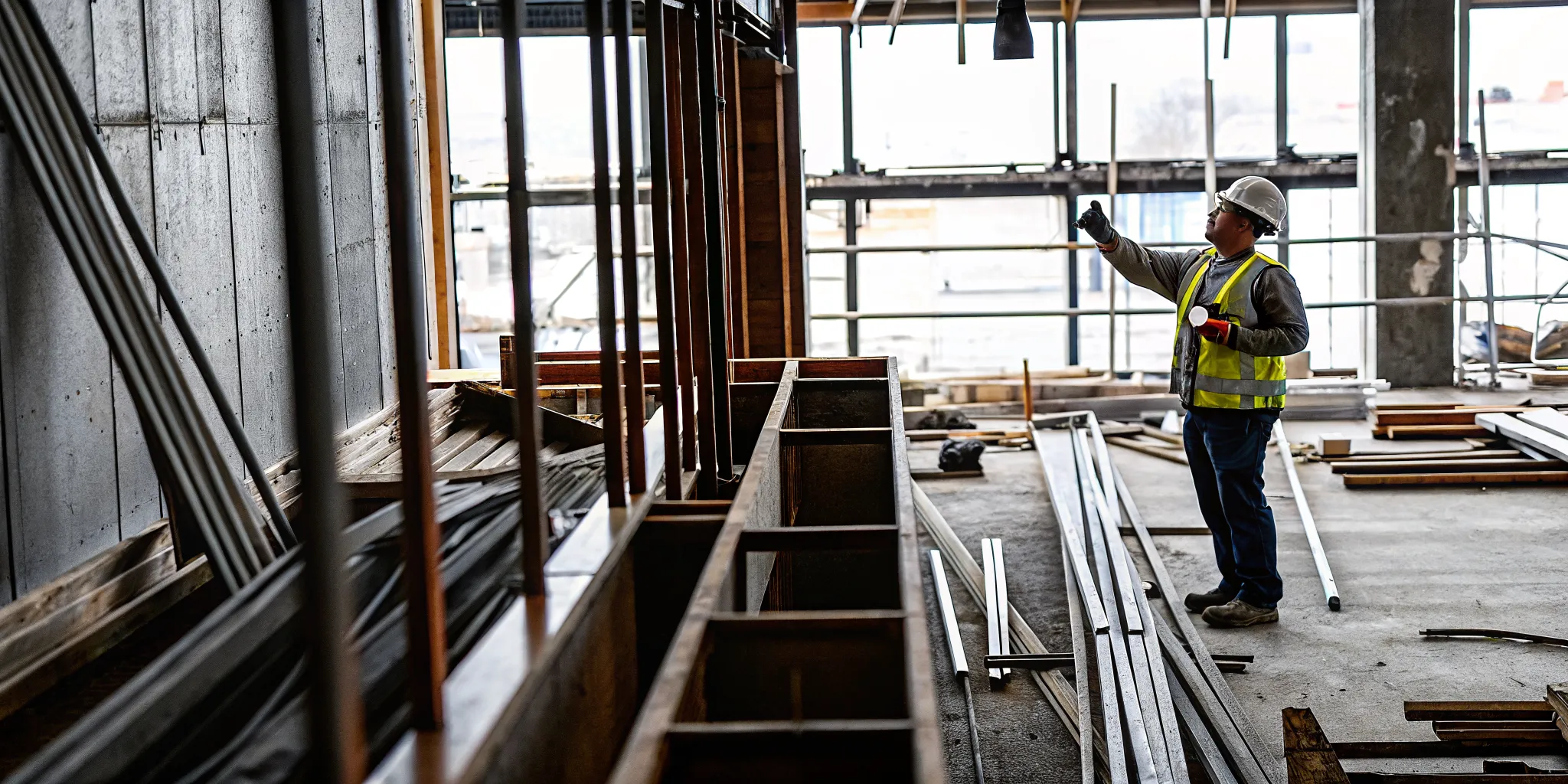
Special inspections can be continuous or periodic depending on the type of work. The most common types include:
- Structural steel inspection:
Verifies welds, bolts, and connections under BC 1704.3 for beams, columns, and framing.
- Concrete inspection:
Confirms mix design, placement, and reinforcing steel per BC 1704.4 for slabs and foundations.
- Fireproofing inspection:
Checks fire-resistant materials and joint penetrations under BC 1705.17 in multi-family and commercial projects.
- Mechanical systems inspection:
Reviews HVAC, kitchen hoods, and fire alarm installations under BC 1704.13.
- Geotechnical inspection:
Tests soil load capacity and subsurface conditions under BC 1704.7 for excavation work.
For small and mid-size projects, a registered Class 2 agency like AKS Architectural & Engineering Services LLP focuses on jobs under 4,000 square feet. You can schedule professional special inspection services online with transparent pricing and instant checkout.
Summary: Special inspections verify the structural integrity and safety of building components. They differ from progress inspections, which track layout and general construction. Each project type triggers specific inspection categories under the NYC Building Code.
When Are Special Inspections Required in NYC?
Most construction projects in New York City require a permit from the NYC Department of Buildings. When you apply for this permit, the DOB determines if your job needs third-party safety checks. Since July 1, 2008, the DOB has made special inspections mandatory for the majority of permitted jobs. These checks ensure that critical structural, fire, and energy systems match the approved building plans.
Small Alterations vs Full Scope Requirements
You do not need a special inspection for every minor change. Simple cosmetic repairs or small interior upgrades often skip this step. However, if your project involves structural stability, fire safety, or energy-use systems, you must hire a registered agency. For example, installing a heavy sign, adding a curb cut, or altering a load-bearing wall will trigger these requirements. Even projects under 4,000 square feet must comply if the work affects structural integrity or fire barriers.
How Progress Inspections Bridge the Gap
While special inspections focus on complex materials and safety systems, TR1 progress inspections track the overall pace and quality of construction. These progress checks are performed during key milestones of the build. Together, progress and special inspections form a complete safety net that keeps your contractor accountable from start to finish.
Common Projects Requiring Inspections
Special inspections are common across many project types:
- Commercial retail and office fit-outs:
Often need fireproofing, mechanical, and energy code inspections.
- Restaurant renovations:
Trigger kitchen hood exhaust, mechanical, and grease duct inspections.
- Brownstone renovations:
Frequently require structural steel, masonry, and concrete inspections.
- Apartment alterations:
May need fire barrier, mechanical, and egress path verification.
Tenant Protection Plan compliance:
required for occupied buildings during construction under Local Law 41/2019.
Summary: Most NYC construction permits trigger special inspection requirements. Even small projects need compliance when structural, fire safety, or energy systems are involved. Always check your TR1 form to confirm which inspections apply.
The NYC Special Inspection Process Step by Step
Completing a building project in New York City requires careful planning and strict adherence to local building codes. Building owners must follow a specific regulatory sequence to ensure their work complies with all city safety standards. Understanding the step-by-step path helps keep your project on schedule and avoids costly DOB violations.
- Design phase and inspection mapping:
Your Registered Design Professional (RDP) creates the construction plans and lists all needed special inspections on the official TR1 form submitted to the DOB.
Retain a registered agency:
The building owner hires a registered Special Inspection Agency to take responsibility for the required checks. Choose an agency with transparent pricing and
to avoid quote delays.
- DOB NOW filing:
The agency uses its official DOB NOW credentials to sign the technical reports, certifying its role for the active job.
- Field inspections:
Qualified inspectors conduct periodic or continuous site visits to examine structural, fire-safety, and energy systems during construction.
- Sign-off and certification:
The agency signs off on the final technical reports in DOB NOW, proving the work matches the approved plans.
- Certificate of Occupancy:
The owner submits the certified reports to the DOB to obtain final sign-off and secure the legal building permit closeout.
Summary: The inspection process has six clear stages from design through Certificate of Occupancy. Engaging a registered agency early in the design phase prevents filing delays and keeps your project moving.
How Do You Choose the Right Special Inspection Agency?
Selecting a registered agency is a critical compliance step for building owners, architects, and contractors. The right choice helps ensure prompt filings with the New York City Department of Buildings, avoids costly violations, and keeps your construction on schedule. You must understand how these agencies are classified under local rules.
Class 1 vs Class 2 Agencies
The city groups special inspection agencies into classes based on project scope. Under DOB rules, Class 1 agencies have no limits on project size. They must obtain costly IAS accreditation. In contrast, a Class 2 agency can handle small and mid-sized projects. They are restricted from major building work, such as alterations to major buildings or expansions exceeding 10,000 square feet. For most tenant fit-outs, restaurant renovations, or brownstone alterations under 4,000 square feet, a Class 2 agency is the ideal choice.
What to Look For in an Agency
When you evaluate potential partners for your NYC special inspections, focus on three main factors.
- Active DOB registration:
Verify the agency is currently registered in the NYC DOB database with no disciplinary history.
- Local NYC experience:
NYC construction codes are unique. Look for a team with decades of hands-on local experience navigating DOB processes.
Pricing transparency:
Many traditional firms do not publish rates, forcing you to wait days for a quote. Choose an agency with
published pricing and online checkout
to accelerate your project start.
Comparing Your Options
Feature | Enterprise Agency | Boutique Agency |
Agency Class | Class 1 | Class 2 |
Project Focus | Skyscrapers, major infrastructure | Tenant fit-outs, brownstones, small commercial |
Pricing Model | Quote-based, can take weeks | Transparent published rates with online checkout |
Best Suited For | Large-scale developments | Small to mid-size projects under 4,000 sq ft |
Choosing a boutique partner like AKS Architectural & Engineering Services LLP gives you direct access to experienced engineers who specialize in small to mid-size projects. This targeted focus helps you secure code compliance and maintain legal building operations without unnecessary overhead.
Summary: Class 2 agencies are the right fit for most small to mid-size NYC projects. Focus on active DOB registration, local experience, and pricing transparency when selecting your partner.
Common Types of Special Inspections for NYC Projects
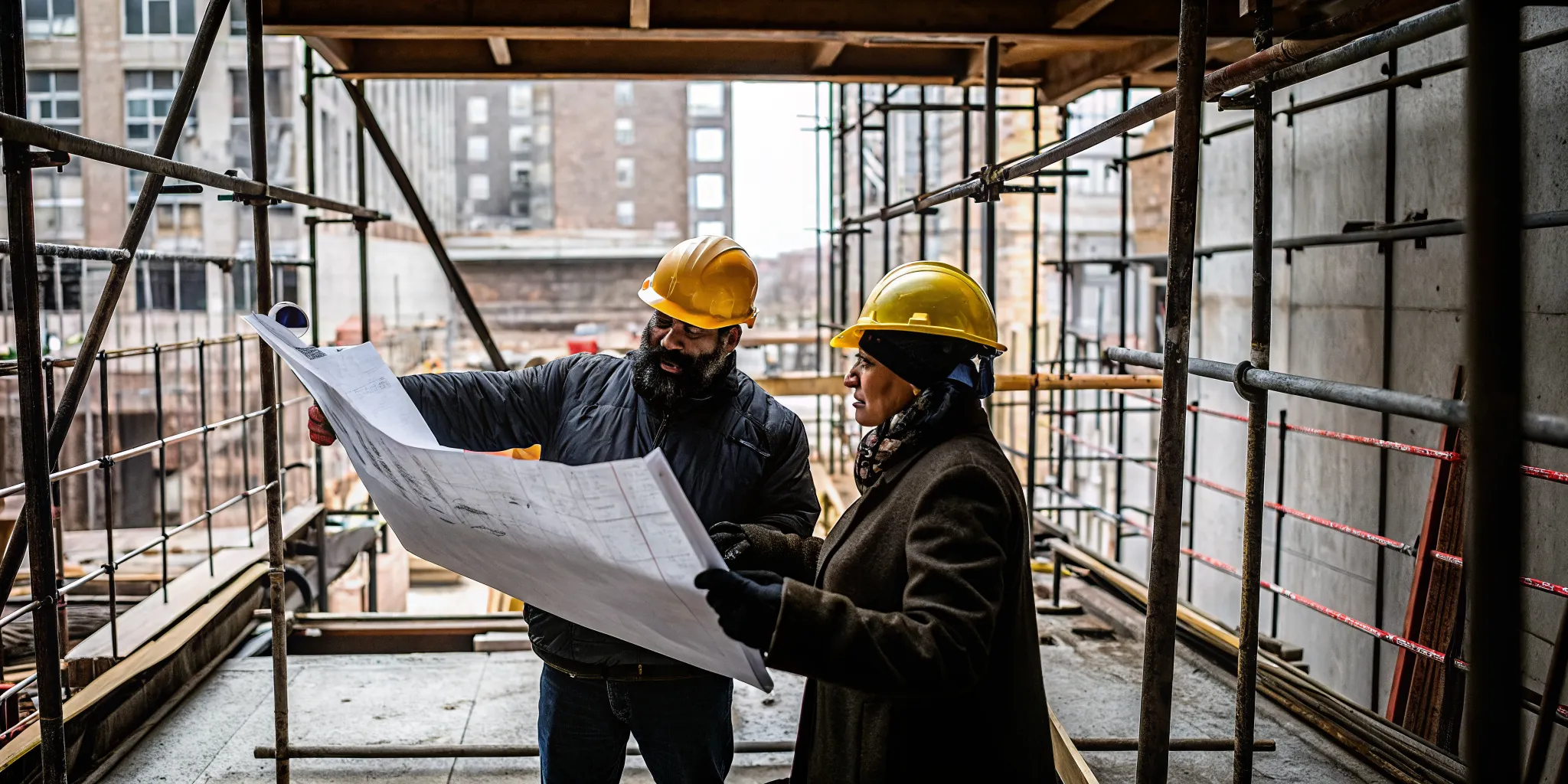
Every construction job in New York City has unique requirements. But most small and mid-size commercial renovations, restaurant build-outs, and residential additions face a similar set of inspection categories. The table below outlines the primary special inspection types encountered on these projects.
Inspection Type | Code Reference | Typical Project Scope |
Structural Steel | BC 1704.3 | Commercial storefront alterations, beam installations, framing. |
Concrete | BC 1704.4 | New slabs, curb cuts, column footings, structural repairs. |
Fireproofing | BC 1705.17 | Multi-family renovations and commercial tenant fit-outs. |
Mechanical Systems | BC 1704.13 | Restaurant kitchen hoods, HVAC upgrades, boiler work. |
Energy Code (TR8) | TR8 Forms | Insulation, window changes, high-efficiency lighting compliance. |
Tenant Protection Plan | Local Law 41/2019 | Weekly safety checks during construction in occupied buildings. |
Energy and tenant safety checks are critical for compliance. State law and city code require TR8 energy inspections to confirm the building envelope and climate controls meet local energy conservation standards. For projects in occupied buildings. Local Law 1 of 2004 and Local Law 41 of 2019 mandate weekly Tenant Protection Plan inspections to protect both owner compliance and tenant safety throughout the active construction phase.
Summary: Six major inspection categories cover most small to mid-size NYC projects. Each type follows a specific code reference and applies to common construction scenarios like tenant fit-outs, brownstone renovations, and commercial alterations.
Why Small Project Owners Must Take Special Inspections Seriously
Many building owners believe that small renovations do not need strict code oversight. If you are planning a restaurant fit-out, a retail renovation, or a brownstone alteration, you might think special inspections only apply to massive high-rises. This is a costly mistake. The DOB mandates these checks for any project that alters key structural, fire safety, or energy systems, regardless of property size.
The Real Risks of Skipping Code Checks
Skipping required inspections can quickly derail your project. If you fail to file your reports, the DOB can issue stop-work orders, impose steep civil penalties, or deny your Certificate of Occupancy. For a small business, a stop-work order can be financially devastating. Your rent, labor, and loan costs continue while construction is frozen. A delay in opening a new restaurant or store by even a few weeks can wipe out your entire start-up budget.
Cost of Compliance vs Violation Penalties
Some owners avoid hiring an agency to save money. However, the cost of a single DOB violation far outweighs the cost of hiring an inspector. Violations for unpermitted work or missing inspection reports can cost thousands of dollars in city fines. You will also have to pay your contractor to open up completed walls or ceilings so the inspector can view the work. Paying for the inspection upfront is always the safer and cheaper path.
Specialized Support for Small and Mid-Size Projects
Many traditional inspection agencies focus only on large-scale tower projects. AKS Architectural & Engineering Services LLP specializes in helping small to mid-size projects navigate the complex DOB landscape. Whether you are adding a curb cut, hanging a sign, or converting a commercial space, their team provides the compliance support you need with transparent pricing and instant online booking. Get your project started the right way. Schedule your inspections online with AKS today and keep your build on track with expert support and clear, upfront costs.
Summary: Small projects face the same compliance requirements as large ones. The cost of a violation far exceeds the price of proper inspection coverage. Working with a specialized Class 2 agency protects your timeline and budget.
Frequently Asked Questions About NYC Special Inspections
What is the difference between a special inspection and a progress inspection?
Special inspections verify the quality and strength of specific building materials like structural steel, concrete, and fireproofing. Progress inspections, tracked on TR1 forms, confirm that the general layout and construction steps follow approved architectural drawings. Both are required for DOB sign-off, but special inspections require deeper engineering expertise.
How much do NYC special inspections cost?
Costs vary by inspection type and project scope. At AKS Architectural & Engineering Services LLP, prices range from approximately $800 for a TR1 preliminary inspection to $3,600 for complex checks like construction operations influencing adjacent structures. All prices are published online with immediate checkout available.
Who is responsible for hiring a special inspection agency?
The building owner is legally responsible for retaining a registered Special Inspection Agency under NYC Building Code Chapter 17. In practice, architects, engineers, or general contractors often recommend or coordinate the agency selection. The owner must ensure a qualified agency is engaged before construction begins.
Can I book a special inspection online?
Yes. AKS Architectural & Engineering Services LLP offers the only true online checkout for NYC special inspections. Browse the full catalog of inspection types, see exact prices, and purchase instantly without waiting for a quote. Browse available inspections here.
What happens if I skip a required special inspection?
Skipping required inspections can result in stop-work orders, civil penalties, and denial of your Certificate of Occupancy. The DOB can also place active violations on the property that complicate future sales or refinancing. It is always more cost-effective to complete inspections on schedule.
Summary: Special and progress inspections serve different but complementary purposes. Online booking saves time. Skipping inspections carries serious financial and legal risks.
Ready to Secure Your NYC Special Inspections?
Get your project moving with AKS Architectural & Engineering Services LLP. Book your inspections online with transparent pricing and instant checkout. Our team brings 40 years of NYC construction experience to every project, large or small.
Call us today or schedule your NYC special inspections online to keep your build compliant, on schedule, and within budget.


Comments